
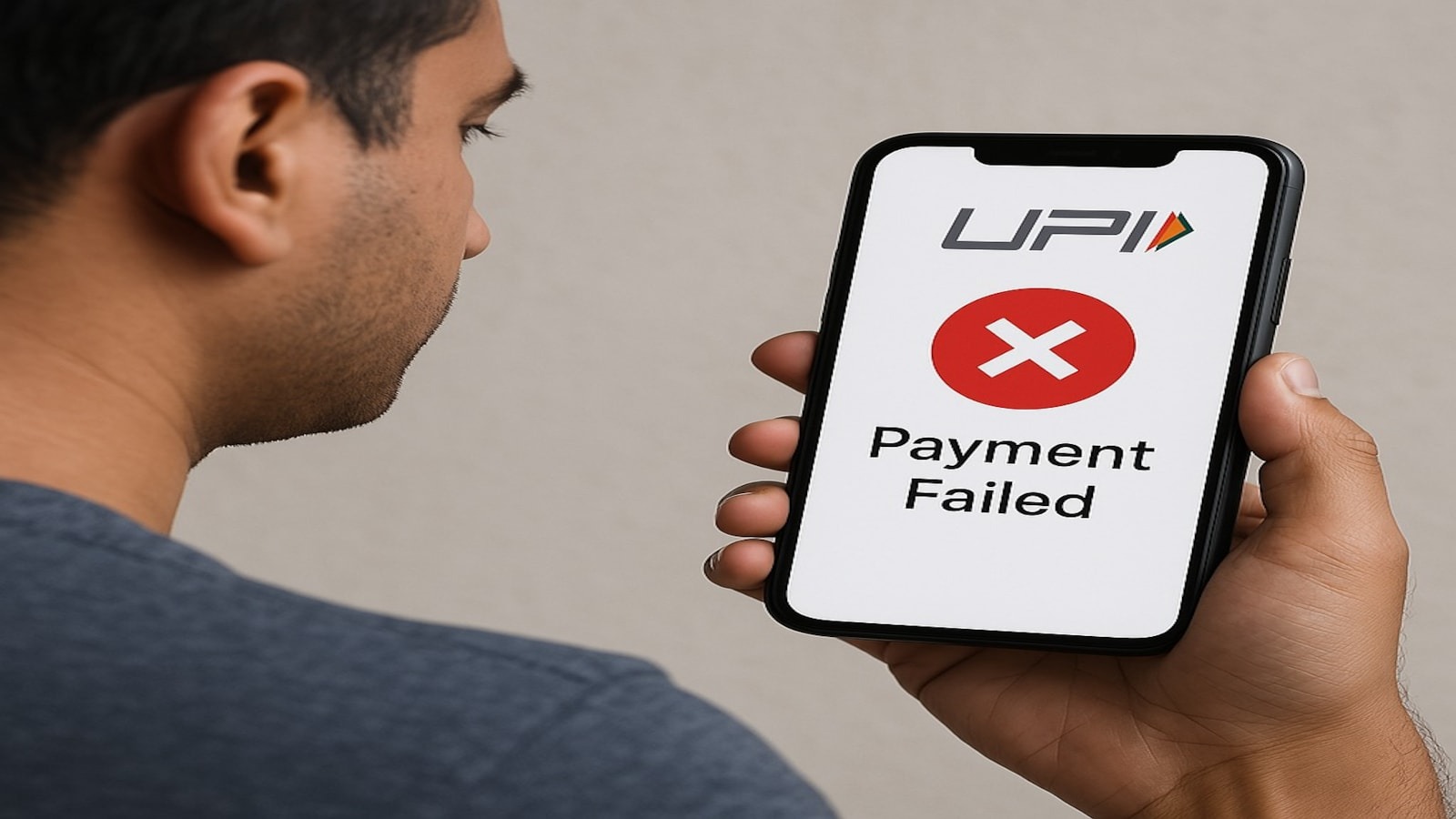
Nowadays, digital payments have become an integral part of our lives. Making purchases, especially through UPI and credit cards, has become incredibly easy.
However, sometimes, due to technical issues, network problems, or incorrect information, your payment can fail, causing not only inconvenience but also resulting in a loss of funds. In such situations, it’s crucial not to panic but to take appropriate action.
Reasons for UPI payment failure
First, let’s understand the common reasons for UPI payment failures. The main reasons include slow or down network speeds, bank server issues, outdated app versions, incorrect account details, or exceeding the transaction limit. Pressing the payment button repeatedly can also cause problems. Other reasons for credit card transaction failure include low credit limits, incorrect card numbers, or expired cards, failed OTPs, and the bank’s fraud alert system. Banks may also sometimes block payments for security reasons.
If your UPI payment has failed, first check the transaction status in your bank account and UPI app. If the money has been deducted, it is usually automatically refunded within 24 to 48 hours. Next, note the transaction ID and file a complaint with the app or bank. If the issue isn’t resolved within 3 to 5 days, escalate the matter to the bank’s grievance redressal cell.
There are problems with digital payments
If a credit card payment fails, first contact the merchant to resolve the issue. If a solution isn’t found, file a complaint with your bank or request a chargeback. In such a situation, keep all your screenshots and receipts for later reference.
What to do in case of a failed transaction?
To avoid future payment failures, take some precautions. Maintain a good internet connection, keep your UPI and apps updated, verify all payment details, and avoid repeated keystrokes. Never share your OTP or UPI PIN with anyone. If the bank doesn’t resolve the issue within 30 days, you can file a complaint with the Banking Ombudsman.
These simple steps are essential for ensuring safe and secure digital transactions, ensuring you can take the right action at the right time in case of a payment failure and protect your money. This can help you make your digital experience better and stress-free.